

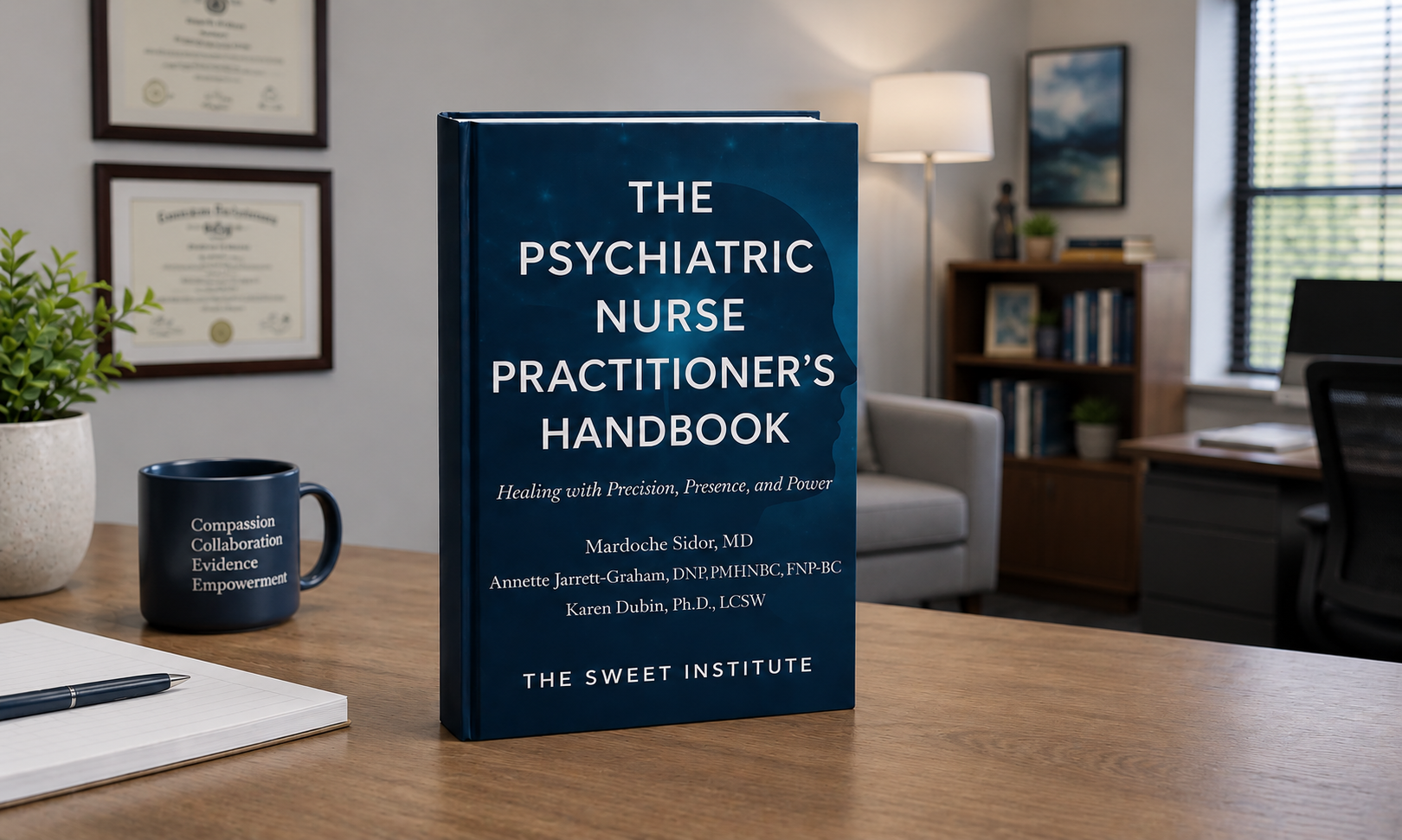
A Reflection from The Psychiatric Nurse Practitioner’s Handbook
In psychiatric practice, listening is more than gathering information. It is a clinical skill.
Patients often communicate important realities indirectly, through tone, through repetition, through what is avoided, and sometimes through what appears unrelated altogether.
The temptation is to move quickly toward solutions. However, when clinicians listen only for symptoms, they may miss meaning.
What is the patient actually trying to communicate?
What experience sits underneath the words?
What pattern continues to emerge over time?
Thoughtful listening requires patience, and it is not passive silence, but active attention.
The Psychiatric Nurse Practitioner is not only listening for pathology. We are listening for context, for fear, for resilience, for contradiction, and for the parts of the story that have not yet fully formed into language.
Sometimes, the most important clinical information appears only after the patient feels understood enough to continue speaking.
More to come.
The Psychiatric Nurse Practitioner’s Handbook: Healing Precision, Presence, and Power
If these reflections resonate with your experience in practice, the full handbook explores these themes in depth.
The Psychiatric Nurse Practitioner’s Handbook is now available wherever books are distributed.