

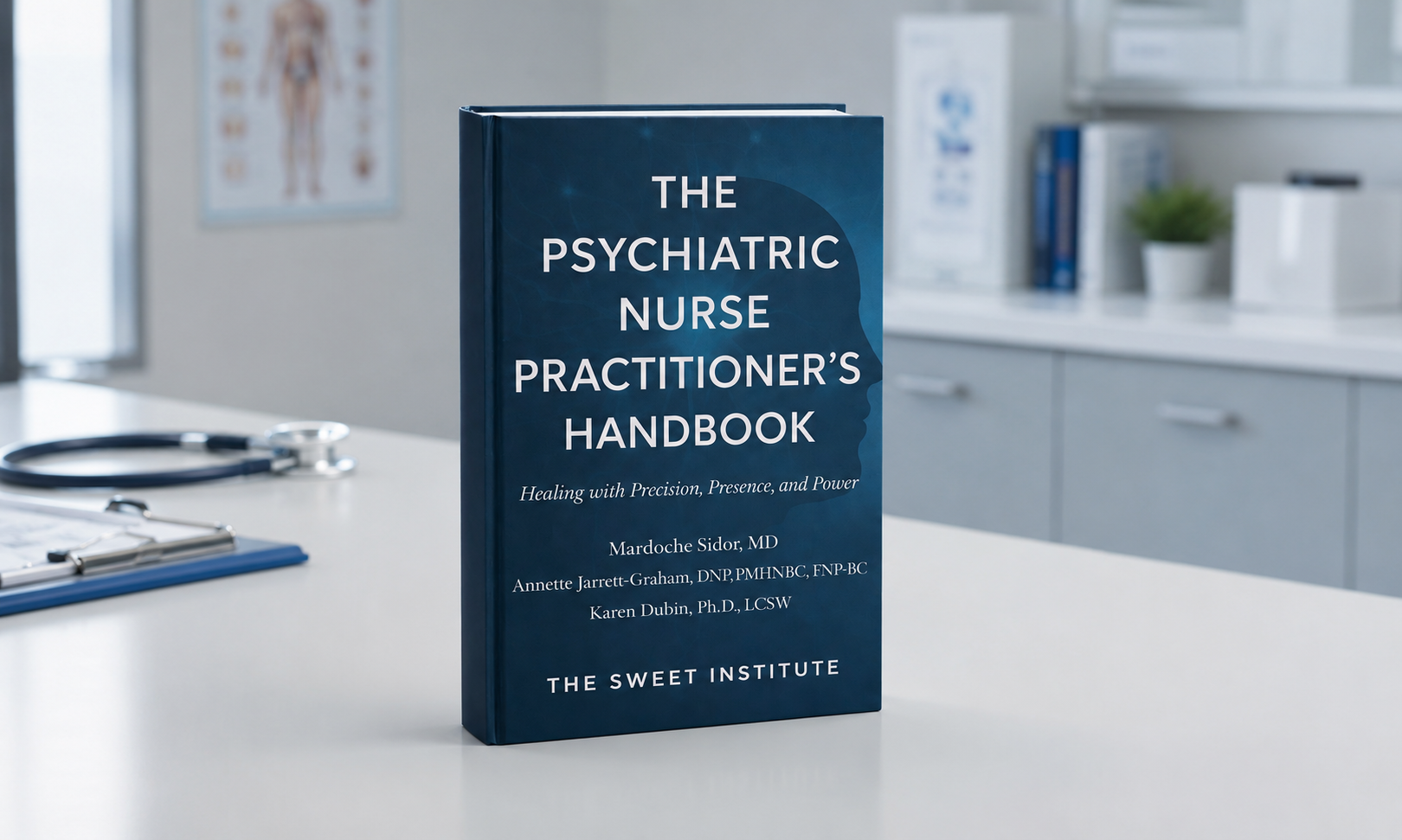
A Reflection from The Psychiatric Nurse Practitioner’s Handbook
In psychiatric practice, not every difficult interaction is about the patient alone. Sometimes what feels difficult is what the interaction activates within us.
A patient may challenge our authority, test our boundaries, reject our recommendations, or evoke feelings we would rather not feel, including frustration, helplessness, impatience, or even self-doubt.
These moments can tempt us to focus entirely on changing the patient; but sometimes the next layer of understanding begins with a different question: What is this interaction bringing up in me?
The more aware we become of our own internal reactions, the less likely we are to practice from them unconsciously. Self-awareness does not make us less clinical. It makes us more precise.
When we understand what belongs to us and what belongs to the patient, our interventions become clearer, steadier, and more effective.
More to come.
The Psychiatric Nurse Practitioner’s Handbook: Healing Precision, Presence, and Power
If these reflections resonate with your experience in practice, the full handbook explores these themes in depth.
The Psychiatric Nurse Practitioner’s Handbook is now available wherever books are distributed.