

A Reflection from The Psychiatric Nurse Practitioner’s Handbook
There are moments when the most therapeutic intervention is not a new medication or a different treatment plan; rather, it is helping someone feel accurately understood.
Patients often arrive after years of explaining themselves. They have repeated their story, answered the questions, and completed the assessments. Yet many still leave feeling unseen.
Being understood is not the same as being agreed with. It is the experience of having one's reality carefully considered before conclusions are reached.
That experience changes the therapeutic relationship. It lowers defensiveness, strengthens trust, and creates space for collaboration.
Before asking, "What should I do next?"
Consider asking, "Have I understood this person well enough?"
Understanding is not the end of treatment. Often, it is where effective treatment begins.
More to come.
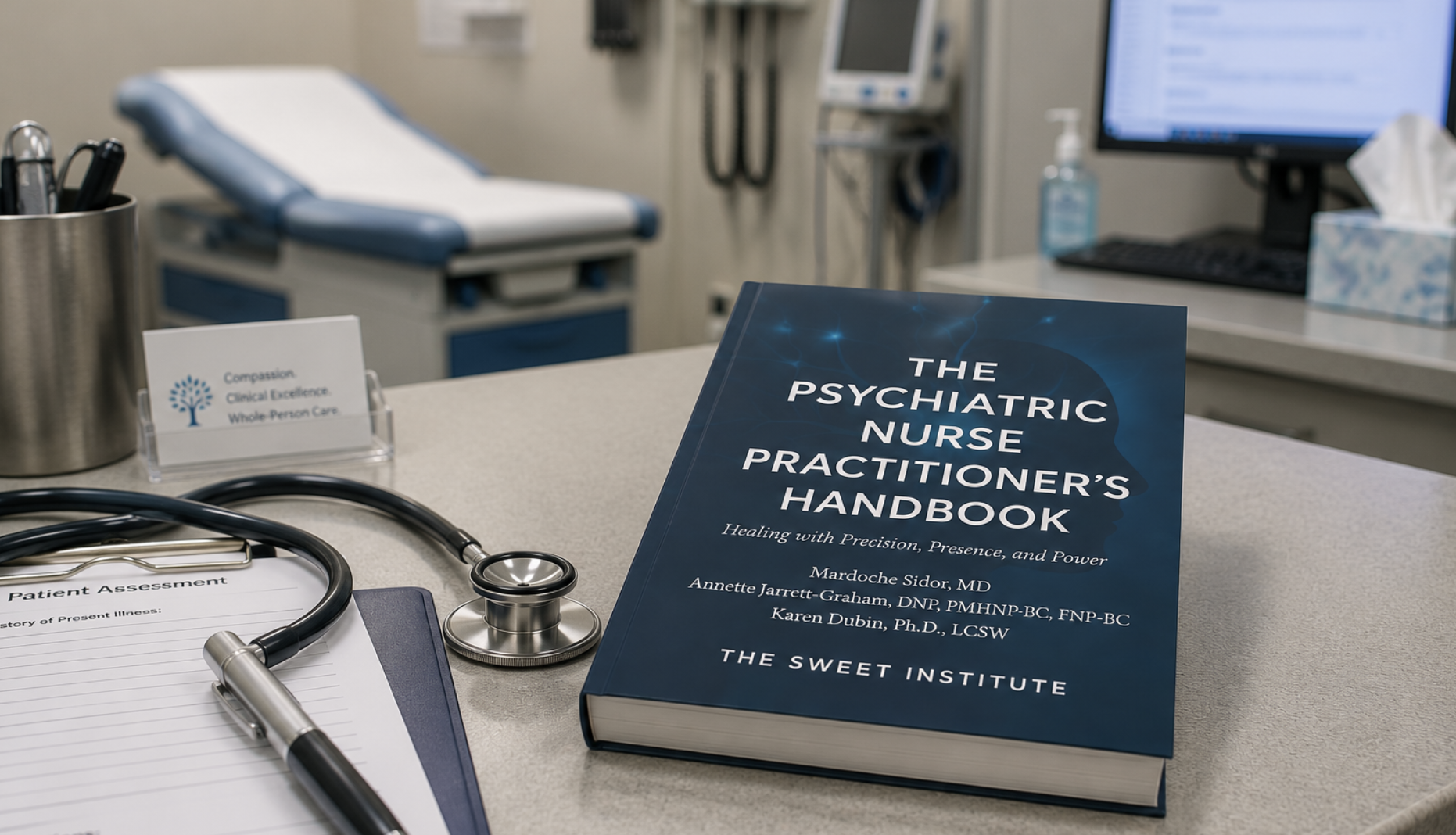
The Psychiatric Nurse Practitioner’s Handbook
Healing with Precision, Presence, and Power
If these reflections resonate with your experience in practice, the full handbook explores these themes in depth.
The Psychiatric Nurse Practitioner’s Handbook is now available wherever books are distributed.