

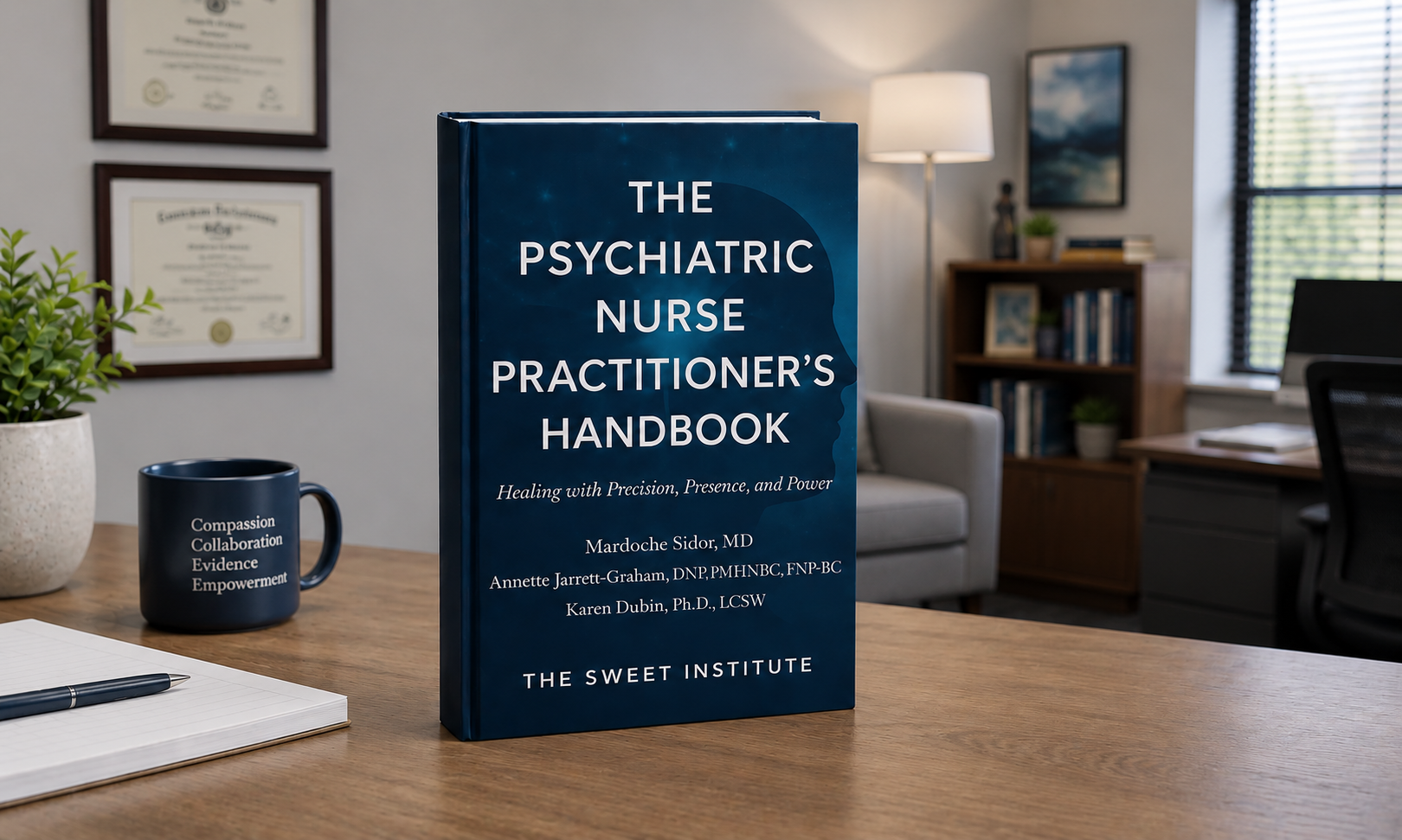
A Reflection from The Psychiatric Nurse Practitioner’s Handbook
A patient attends every appointment. They answer our questions, accept the prescription, and schedule the next visit.
We may be tempted to conclude that they are engaged.
Yet attendance tells us that someone was present. It does not tell us whether they felt heard, understood the plan, believed it could help, or had a meaningful role in shaping it.
Another patient misses an appointment, questions our recommendation, or expresses uncertainty about medication. We may be tempted to call them disengaged.
Yet those behaviors do not tell the whole story either.
The person who asks difficult questions may be trying to participate. The person who misses an appointment may still want care but face barriers we have not explored.
Engagement requires more than counting visits or measuring agreement.
It asks us to look for participation, understanding, trust, shared purpose, and the person’s ability to carry the work into everyday life.
What does this treatment mean to them? What do they hope will change? What concerns have they not yet voiced? What would make the next step possible?
These questions do not replace clinical assessment or accountability. They make both more useful.
For the Psychiatric Nurse Practitioner, the task is not simply to get someone through the door or to secure agreement with a plan.
It is to create the conditions in which the person can become an active participant in their own care.
Because showing up is an event. Engagement is a process.
More to come.
The Psychiatric Nurse Practitioner’s Handbook: Healing with Precision, Presence, and Power
If these reflections resonate with your experience in practice, the full handbook explores these themes in depth.
The Psychiatric Nurse Practitioner’s Handbook is now available wherever books are distributed.